Brick Lane rubbish removal guide for flats and shops
Posted on 13/08/2026
If you live above a shop, manage a busy unit, or handle waste for a flat in one of Brick Lane's tighter streets, rubbish removal can become a small weekly puzzle that somehow eats half your day. Bags stack up. Rear access is awkward. Collections are missable. And when the corridor smells faintly of old cardboard and takeaway containers at 8 a.m., you want a plan, not guesswork.
This Brick Lane rubbish removal guide for flats and shops breaks down how waste clearance works in the real world: what to expect, how to prepare, what common mistakes to avoid, and how to choose the right approach for homes, mixed-use buildings, and retail premises. It also touches on practical service options, safety, and sensible UK best practice so you can deal with waste without making the whole thing harder than it needs to be. Let's face it, waste removal sounds boring until it blocks your entrance.
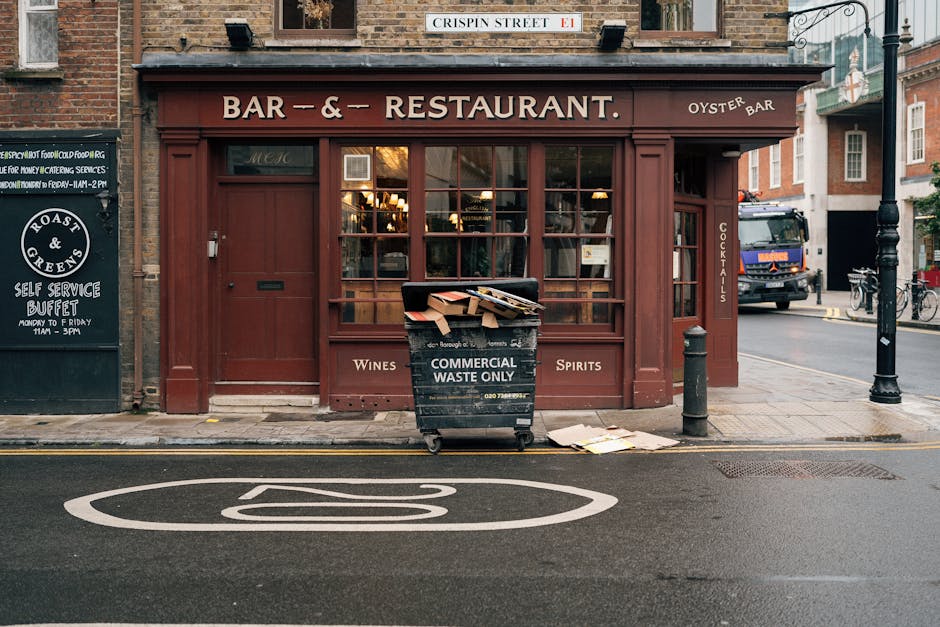
Why Brick Lane rubbish removal guide for flats and shops Matters
Brick Lane is lively, dense, and always moving. That energy is part of the appeal, whether you are running a small independent shop, living in a converted flat, or managing a building where residents and businesses share the same access points. But rubbish in a place like this is never just "rubbish." It affects first impressions, hygiene, access, safety, storage space, and sometimes even neighbour relations. One missed clearance and suddenly you have a pile of boxes leaning against a wall, or black sacks squeezed into a narrow shared hallway. Nobody wants that.
For flats, the challenge is often storage. Many properties do not have much bin capacity, and communal areas are not ideal for keeping bulky waste around. For shops, the issue is timing and volume. Packaging, stock offcuts, damaged displays, and end-of-day waste can build up quickly, especially during busy trading periods. A practical rubbish removal routine helps avoid clutter and keeps the property functioning properly.
There is also a reputational side. Customers notice the front of a shop. Residents notice stairwells and shared entrances. In a neighbourhood like Brick Lane, where foot traffic is heavy and space is precious, tidy waste management is part of how a place feels. If you want a broader sense of the area's character and pressure points, the piece on why Shoreditch stands out beyond central London gives useful local context.
Expert summary: In Brick Lane, the best rubbish removal plan is rarely the most dramatic one. It is usually the simplest repeatable system: clear what builds up, separate what can be recycled, and schedule removals before waste starts affecting access or presentation.
How Brick Lane rubbish removal guide for flats and shops Works
In practical terms, rubbish removal for flats and shops usually follows the same basic pattern, but the details change depending on access, waste type, and urgency. A small flat clearance may involve a few bulky items, while a shop clearance could include packaging, display fixtures, shelving, old stock, and general waste. The job starts with identifying what needs to go and how it can be moved safely.
Most services work in one of three ways. First, there is man-and-van style collection, which suits smaller loads and quick turnarounds. Second, there is bulky waste or flat clearance, which is better when you have mixed items or awkward furniture. Third, there is commercial or shop clearance, which is useful when you need a more structured removal plan, perhaps outside trading hours or with special access arrangements. If you are comparing service types, the services overview is a sensible place to start.
For flats, the key issues are stairs, lifts, building rules, and shared access. For shops, the key issues are loading time, front-of-house impact, and whether waste includes cardboard, wood, metal, or other material streams. A competent clearance team should be able to separate those concerns without making you micromanage the whole thing. Honestly, that is half the value.
If the waste comes from a refurbishment or fit-out, you may also need a more specific approach. In those cases, builders waste disposal in Shoreditch can be more appropriate than general rubbish removal, because construction debris needs different handling and often a tighter loading plan.
Key Benefits and Practical Advantages
There are obvious benefits to clearing rubbish quickly, but the less obvious ones matter just as much. A clean entrance improves how people feel about the property. A tidy back-of-house area makes work easier. And a regular waste routine prevents those annoying "how did this pile get so big?" moments that seem to appear overnight.
- Better use of space: Flats in Brick Lane are often compact, so waste that sits around for days can make a home feel smaller and more stressful.
- Safer movement: Clear stairways, corridors, and loading areas reduce trip hazards and blocked exits.
- Less disruption: If a shop clears waste during quieter hours, staff can keep serving customers without a pile of packing materials in view.
- Cleaner presentation: First impressions count, especially in a high-footfall area where people are constantly passing by.
- More responsible disposal: Separating reusable or recyclable material helps reduce avoidable landfill waste.
There is a practical upside too: once you have a reliable system, you spend less time chasing ad hoc fixes. That matters for shop owners who already have enough to juggle, and for residents who would rather not spend a Saturday trying to manoeuvre a broken wardrobe down a narrow staircase. To be fair, nobody wakes up excited about that.
For households with bigger clear-outs, the house clearance service in Shoreditch can be useful when the job goes beyond ordinary bin-day waste. For business premises, the office clearance option may be a better fit if the waste is mainly furniture, paperwork, or equipment.
Who This Is For and When It Makes Sense
This guide is for anyone dealing with waste in Brick Lane who wants a cleaner, calmer, more organised property. That includes:
- tenants in studio flats or maisonettes
- landlords managing end-of-tenancy clearances
- shop owners with regular packaging and stock waste
- cafes, small restaurants, and takeaway units
- property managers for mixed-use buildings
- office teams above retail premises
- new occupants moving into a flat or shop unit
It makes sense to arrange rubbish removal when the waste is bulky, time-sensitive, awkward to carry, or too much for normal bin services. It also makes sense when you have a deadline. A tenancy handover, a shop refit, a stock change, or an event clean-up can all create waste that needs clearing quickly.
There is also a seasonal pattern. After busy weekends, after deliveries, after refurbishments, and after tenant moves, waste volumes rise sharply. If you are working in or near a venue-heavy stretch of the area, the article on Shoreditch venue picks for parties gives a good sense of how events can change the rhythm of waste and cleanup around the neighbourhood. In the evening, especially, the streets can feel like they are holding their breath before the next rush.
Step-by-Step Guidance
If you want the process to run smoothly, preparation matters. A little bit of planning saves a lot of lifting, waiting, and "we forgot about that shelf" moments.
- Identify what needs removing. Split items into general waste, bulky items, recyclable materials, and anything that may need special handling.
- Check access. Think about stairs, lift size, parking, loading bays, narrow entrances, and whether you need to warn neighbours or staff.
- Measure the bulky stuff. One awkward sofa or cabinet can change the whole plan. It is worth checking before the crew arrives.
- Separate anything reusable. If something can be donated, resold, or recycled, set it aside before the clearance.
- Clear a route. Make sure hallways, shop floors, and stairwells are free enough for safe movement.
- Confirm timing. For shops, choose a slot that avoids busy footfall. For flats, think about building quiet hours and practical access.
- Ask about disposal approach. A proper clearance service should be able to explain how items will be handled, especially mixed waste.
- Do a final sweep. Before the team leaves, check cupboards, storage corners, under shelving, and the back room. People always miss one thing. Always.
A useful rule of thumb: if the waste is spread across multiple spaces, write a simple room-by-room list. It sounds basic, but it keeps everyone honest and avoids the classic "I thought that was staying" problem.
If you are looking at related clearance needs around the property, the broader waste clearance in Shoreditch page is a helpful companion because it covers the wider idea of removing mixed unwanted material, not just one-off rubbish bags.
Expert Tips for Better Results
In our experience, the best rubbish removals are the ones that feel almost uneventful. That usually means the preparation was good. Here are a few practical tips that make a real difference.
- Use zones, not piles. Group items by type or room. It helps the team move faster and reduces confusion.
- Protect shared areas. In flats, put down temporary protection if there is a risk of scuffing walls or floors, especially in older stairwells.
- Think in waves. For shops, it can be smarter to clear in two smaller rounds rather than one giant rush at the end of the month.
- Keep recyclables visible. Cardboard, metal, and some plastics are easier to separate when they are not buried under mixed waste.
- Plan around deliveries. Brick Lane is busy enough without a clearance clashing with stock drop-offs or customer peaks.
- Be realistic about timing. A clearance that looks like 20 minutes from a distance can take much longer once stairs, lifts, and parking come into play.
Another small but useful point: if your building management has rules about loading, noise, or common areas, make sure everyone involved knows them before the day of collection. It sounds dull. It saves grief.
If you are still weighing up service standards and business credentials, it can also help to review pages such as about the company, insurance and safety, and the recycling and sustainability approach. Those details matter when waste is being moved through shared access points or when you are responsible for a public-facing shop.

Common Mistakes to Avoid
A lot of waste headaches come from simple, avoidable mistakes. Nothing dramatic. Just a few assumptions that turn into a messy afternoon.
- Leaving everything until the last minute. In a busy area, that often means poor timing, blocked access, and rushed decisions.
- Not checking what can be moved. Some items need more than one person, and some need a different handling approach.
- Mixing sharp or breakable items with general waste. That makes everything slower and less safe.
- Ignoring the building rules. Flats with shared corridors or managed entrances can have stricter access expectations than people assume.
- Assuming shop waste is all the same. Cardboard, fixtures, old stock, and display materials may need different treatment.
- Forgetting hidden storage spaces. Cupboards, cellar corners, stockrooms, and under-stair areas are easy to miss.
One of the sneaky ones is overfilling bags because "it will be fine." Sometimes it is fine. Sometimes the bag splits halfway down a stairwell. Not ideal. Better to pack sensibly and keep the job controlled.
Tools, Resources and Recommendations
You do not need complicated equipment to prepare for a rubbish removal, but a few basic items make life easier.
- Heavy-duty bin bags for loose waste and packaging
- Marker pens or labels to mark items for removal, recycling, or keeping
- Gloves for handling rough cardboard, broken items, or dusty storage waste
- A tape measure for larger furniture, appliances, and shelving
- Phone photos to help describe the load if you are requesting a price
- Trolleys or dollies where the building access allows safe use
If you are working through a broader property change, the following pages may also be useful: pricing and quotes for understanding how requests are usually handled, and payment and security if you want reassurance around the practical side of booking. People often forget those bits until the last minute.
For shops, especially those with renovation or stock replacement waste, the builders waste disposal service is worth considering if the material is construction-related rather than everyday rubbish. That one distinction saves a lot of confusion.
Law, Compliance, Standards, or Best Practice
Waste removal in the UK sits within a practical framework of responsibility, care, and common sense. You do not need to be a compliance expert to make decent decisions, but you do need to be careful about what is being removed and how it is handled. If you are a tenant, landlord, or business owner, it is wise to stay within building rules and use a service that disposes of waste responsibly.
For shops and commercial premises, best practice usually includes keeping waste out of public walkways, separating recyclable material where practical, and making sure the collection method does not create unnecessary risk for staff or passers-by. For flats, the main concerns are shared access, noise, fire safety, and avoiding obstruction in communal areas. That sounds obvious, but it is exactly where problems tend to begin.
Responsible waste handling also means being sensible about duty of care. In plain English, that means you should know who is taking your waste, what they are doing with it, and whether the process is legitimate. If a provider cannot explain their approach in clear language, that is a red flag. Not always a huge one, but a red flag nonetheless.
It is also worth checking that a provider takes safety seriously. The page on insurance and safety is a good reminder that lifting, transport, and access work should be handled carefully, especially in tight staircases and busy shopfronts.
Options, Methods, or Comparison Table
Different waste situations call for different methods. Here is a simple comparison that can help you decide what feels most sensible.
| Method | Best for | Strengths | Limitations |
|---|---|---|---|
| Regular bin disposal | Small daily waste | Simple and low effort | Not suitable for bulky items or large volumes |
| Ad hoc rubbish collection | Occasional extra waste | Flexible and quick | Can become inefficient if used too often |
| Flat clearance | End-of-tenancy or bulky household waste | Good for mixed items and furniture | Needs access planning and item sorting |
| Shop clearance | Retail waste, fixtures, packaging, old stock | Helps clear front and back-of-house areas together | May need out-of-hours timing |
| Specialist builders waste disposal | Refit or construction debris | Better suited to heavy or mixed building waste | Not ideal for ordinary household rubbish |
If your building serves both residents and commercial tenants, the most practical answer is often a mixed approach. Keep day-to-day waste on a normal routine, then book a clearance service when bulky or unusual items start to pile up. That balance is what makes the difference between "manageable" and "why is this still here?"
Case Study or Real-World Example
Picture a small independent shop on Brick Lane preparing for a seasonal refresh. The back room has a stack of broken display materials, several flat-packed boxes, a few damaged stock items, and some old shelving that has been replaced but not yet removed. Meanwhile, the front of shop still needs to stay presentable because customers are coming and going all day.
If the owner waits until closing time and tries to sort everything in one go, the result is usually rushed and stressful. Boxes move from one corner to another. People step around them. Someone says they will deal with it tomorrow. You can probably guess how that ends.
A better approach is to split the job. First, separate anything reusable or recyclable. Second, list the heavier items and measure access points. Third, schedule the clearance outside peak footfall hours, or early in the morning if the street is calmer. Finally, do a quick post-clearance check so the shop reopens cleanly and without clutter.
A similar pattern applies in flats. Imagine a resident moving out of a compact upper-floor apartment with a wardrobe, a broken chair, old shelving, and a few bags of mixed household rubbish. The key is not brute force; it is sequencing. Decide what leaves first, clear the walkway, and keep the stairs safe. No drama, just a method that works.
Practical Checklist
Use this before the clearance day:
- Identify all waste items and group them by type
- Measure large furniture or awkward objects
- Check access, parking, lift size, and stair width
- Confirm any building rules or quiet hours
- Set aside recyclables and reusable items
- Clear hallways, loading points, and shop floors
- Remove fragile items from the path
- Take quick photos of the load if needed
- Decide whether the job is flat clearance, shop clearance, office clearance, or general rubbish removal
- Do a final room-by-room sweep before the team arrives
Quick takeaway: if the waste is bulky, mixed, or awkward to move through shared access, plan the clearance before the pile starts running the place. That one habit saves time, money, and a fair bit of patience.
Conclusion
Brick Lane rubbish removal for flats and shops is really about control. Control of timing, access, safety, presentation, and the amount of waste sitting around in a busy part of London. Once you treat it as part of property management rather than a last-minute chore, the whole process becomes calmer and much easier to handle.
Whether you are clearing a flat after a move, keeping a shop tidy after a busy week, or dealing with a one-off bulky waste problem, the smartest approach is simple: sort early, plan access, and choose the right type of service for the job. Small systems make a big difference. They really do.
If you want a reliable next step, review your waste type, check the access, and compare the service that best matches the load. Then act before clutter starts affecting the space, because once it does, everything feels harder. And nobody needs that on a busy Brick Lane morning.
Get a free quote today and see how much you can save.


 Tipper Van - Rubbish Removal and House Junk Disposal Prices in
  Luton Van - Rubbish Removal and House Junk Disposal Prices in Shoreditch, N1